Introduction: Why Cats Rule the World 🐱
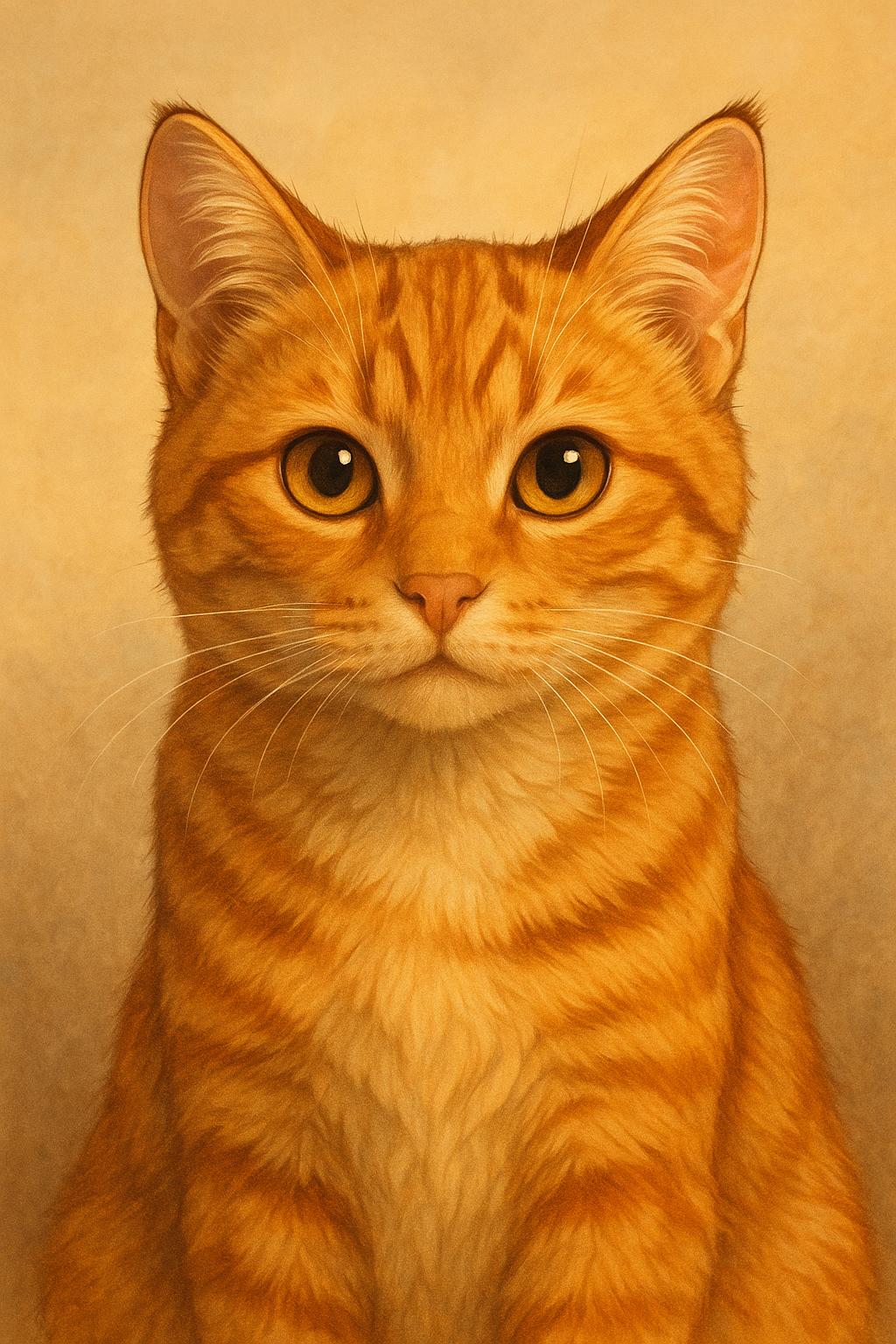
Few creatures in the animal kingdom have captured the hearts, minds, and imagination of humans quite like the cat. Whether you call them your “fur baby,” “mouser,” or “mysterious roommate,” cats are everywhere—from ancient temples of Egypt to viral TikTok videos today.
This article explores the cat from every angle: its history, biology, role in human culture, and even how artificial intelligence platforms like Roovet AI are shaping the future of feline care.
So, let’s dive into the world of cats—the ultimate blend of mystery, independence, and affection.
1. The Origins of the Cat
Cats (Felis catus) are thought to have been domesticated about 10,000 years ago in the Fertile Crescent. Unlike dogs, which humans trained for hunting, cats essentially “domesticated themselves” by gravitating toward human settlements for food.
-
Egyptian Cats: Worshipped as sacred beings. The goddess Bastet was often depicted as a lioness or house cat.
-
Roman Cats: Used to protect grain supplies from rodents.
-
Asian Influence: In Japan, the maneki-neko (beckoning cat) became a symbol of luck.
Through history, the cat has been revered, feared, and adored.
2. Cat Behavior: The Mysterious Code 🐾
Cats are famous for their independence, but their behaviors tell us much about their psychology.
-
Purring: Indicates comfort, but also a form of self-healing.
-
Kneading: A leftover instinct from kittenhood.
-
Zoomies: Bursts of energy often tied to hunting instincts.
-
Tail Language: A cat’s tail is like an emotional barometer—upright means happy, swishing may mean irritated.
Understanding these behaviors helps cat owners bond more deeply with their pets.
3. Types of Cats: From Siamese to Maine Coon
There are over 70 recognized cat breeds worldwide. Some of the most popular include:
-
Siamese: Vocal, elegant, with striking blue eyes.
-
Maine Coon: One of the largest breeds, known as gentle giants.
-
Persian: Fluffy and calm, often called “lap royalty.”
-
Bengal: Exotic appearance resembling wild leopards.
But the most common companion remains the domestic shorthair, which makes up the majority of pet cats.
4. Cats in Culture
Cats appear in every corner of human culture.
-
Literature: From the Cheshire Cat in Alice in Wonderland to Old Deuteronomy in Cats the Musical.
-
Internet Culture: Grumpy Cat, Nyan Cat, and countless memes.
-
Folklore: Black cats symbolize bad luck in some cultures, but good luck in others.
The cat’s mystique has made it one of the most represented animals in art and media.
5. The Cat and Technology: Enter Roovet AI
Here’s where modern innovation meets feline care. With AI-driven platforms like Roovet AI, cat owners now have access to tools that make pet ownership easier.
-
AI Health Monitoring: Detect early signs of illness through behavior analysis.
-
Smart Feeders: Controlled via AI apps for portion management.
-
Virtual Companions: AI-driven toys to keep cats engaged.
-
Community Insights: Connect with other cat lovers worldwide.
Roovet AI empowers owners to understand and care for their cats on a deeper level.
6. Why Humans Love Cats
The bond between humans and cats is unique. Studies suggest that owning a cat can:
-
Reduce stress and anxiety.
-
Lower risk of heart disease.
-
Improve mental health through companionship.
Cats provide independence—unlike dogs, they don’t need constant attention—but still offer affection, making them perfect for modern lifestyles.
7. Cats Around the World 🌍
-
Japan: Cats are cultural icons, from Hello Kitty to cat cafes.
-
Turkey: Istanbul is famous for its street cats, treated as communal pets.
-
United States: Cats are the second most popular pet after dogs, with over 60 million households owning one.
Every culture has shaped its own unique relationship with the cat.
8. Fun Facts About Cats
-
Cats can rotate their ears 180 degrees.
-
They sleep for 12–16 hours a day.
-
Each cat’s nose print is as unique as a human fingerprint.
-
Cats survived the Titanic—two ship cats escaped with sailors.
9. Challenges in Cat Ownership
While cats are adored, ownership comes with responsibilities:
-
Health Care: Regular vet visits are essential.
-
Behavior Issues: Scratching furniture, spraying, and aggression.
-
Overpopulation: Stray cats are a global issue—spaying/neutering is crucial.
This is where AI-powered insights from Roovet AI can help by providing behavior analysis, reminders, and best practices.
10. The Future of Cats and AI
Imagine a world where:
-
AI apps translate meows into human language.
-
Virtual reality environments entertain indoor cats.
-
Genetic analysis predicts potential health risks.
The synergy between cats and technology is just beginning, and platforms like Roovet AI are at the forefront.
Conclusion: Why the Cat Will Always Reign Supreme
From ancient temples to modern apartments, cats continue to rule the world—not by force, but through charm, independence, and mystery. They are both companions and enigmas, reminders of the wild in our everyday lives.
With AI tools like Roovet AI, our understanding and connection with cats deepen, ensuring they remain healthy, happy, and just a little mysterious.
The cat is not just a pet—it’s a partner in life, love, and learning.