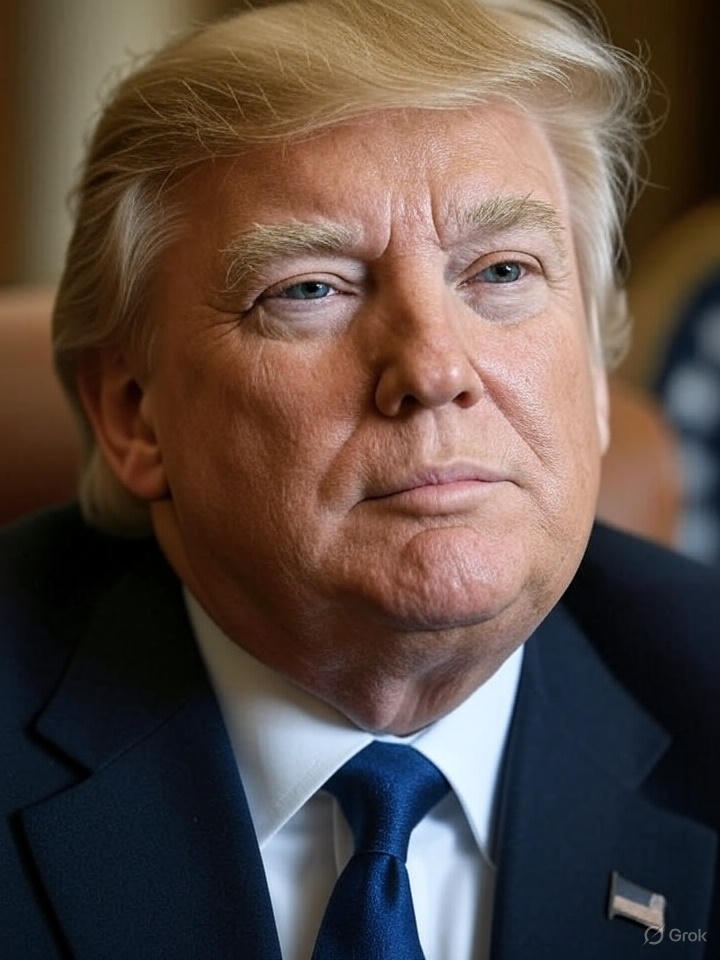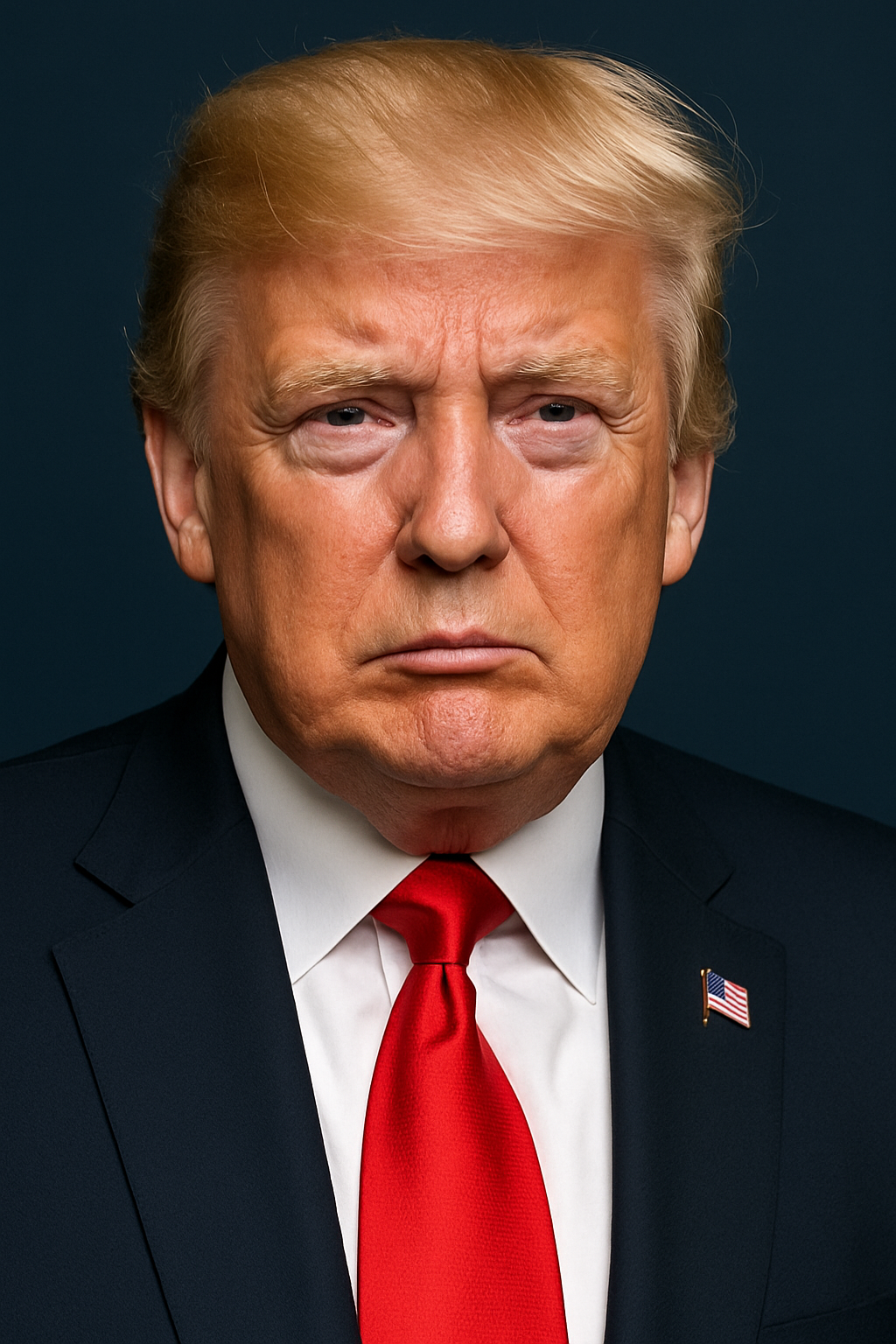
Few names in modern history provoke as much attention, debate, and analysis as Donald John Trump. Known for his bold personality, unconventional communication style, and polarizing political approach, Trump has left a deep imprint on American business, media, and politics.
This article provides a comprehensive look at Trump’s life and career, from his beginnings in real estate to his presidency and post-White House influence. Along the way, we’ll also explore how advanced tools like Roovet AI can help analyze political trends, media coverage, and public sentiment around figures like Trump.
1. Early Life and Education
Donald Trump was born on June 14, 1946, in Queens, New York City, to Fred and Mary Trump. Growing up in a middle-to-upper-class household, he attended the New York Military Academy before enrolling at Fordham University and later transferring to the Wharton School of the University of Pennsylvania, where he graduated with a degree in economics in 1968.
Even in his youth, Trump displayed a keen interest in business, leadership, and branding — skills that would define his career in real estate and beyond.
2. Rise in Real Estate
After college, Trump joined his father’s real estate company, focusing on middle-income apartment complexes in the outer boroughs of New York City. By the mid-1970s, he began targeting high-profile Manhattan projects, developing properties like:
-
The Grand Hyatt Hotel (1978)
-
Trump Tower (1983)
-
40 Wall Street (1996 renovation)
Trump became known for luxury branding, gold-accented interiors, and media-savvy promotion. His bold style attracted both admirers and critics, but it undeniably made “Trump” a household name.
3. Business Expansion and Brand Building
Beyond real estate, Trump expanded his brand into:
-
Casinos (Trump Plaza, Trump Taj Mahal, Trump Marina)
-
Golf Courses (Trump National Golf Clubs worldwide)
-
Merchandising and Licensing (Trump Steaks, Trump Vodka, Trump University)
-
Television (The Apprentice, NBC, 2004–2015)
His reality TV role as the no-nonsense boss further cemented his image as a decisive leader.
4. Entry into Politics
While Trump had flirted with politics for decades, his 2015 presidential campaign announcement marked a new chapter. Running as a Republican, he campaigned on themes of:
-
Economic nationalism (“Make America Great Again”)
-
Immigration reform
-
Trade renegotiations
-
Populist anti-establishment rhetoric
Despite initial skepticism, Trump secured the Republican nomination and won the 2016 election against Democrat Hillary Clinton.
5. Presidency (2017–2021)
Trump’s presidency was marked by major policy changes, frequent media battles, and high-profile controversies. Key moments included:
Domestic Policy
-
Tax Cuts and Jobs Act (2017) — Lowering corporate and individual tax rates.
-
Deregulation — Reducing federal regulations in multiple industries.
-
Judicial Appointments — Including three Supreme Court justices.
Foreign Policy
-
Renegotiating trade deals (USMCA replacing NAFTA).
-
Direct talks with North Korean leader Kim Jong-un.
-
Moving the U.S. embassy in Israel to Jerusalem.
Challenges and Controversies
-
Impeachment twice by the House of Representatives (2019, 2021).
-
Handling of the COVID-19 pandemic.
-
January 6, 2021 Capitol riot aftermath.
6. Post-Presidency Influence
After leaving office, Trump maintained a strong influence over Republican politics. He launched Truth Social, continued holding rallies, and teased multiple political comebacks. As of now, he remains a central figure in political media, fundraising, and party strategy.
7. Media and Public Image
Trump’s mastery of media—both traditional and social—has been key to his political rise. Platforms like Twitter (before his suspension) allowed him to bypass conventional media filters. This direct communication style has been studied for its impact on public opinion and political polarization.
8. How Roovet AI Can Analyze Trump’s Impact
With vast data from media coverage, polls, and speeches, Roovet AI can provide unique insights:
-
Sentiment Analysis — Tracking public opinion shifts over time.
-
Media Coverage Trends — Identifying narratives and framing in news reports.
-
Policy Impact Modeling — Predicting economic or political outcomes based on legislative actions.
-
Social Media Monitoring — Measuring engagement and influence.
These tools can help political analysts, journalists, and citizens better understand the factors shaping Trump’s political journey.
9. Conclusion
Whether viewed as a transformative leader or a divisive figure, Donald Trump has undeniably reshaped the American political landscape. His journey from real estate mogul to the White House reflects a unique blend of branding, media strategy, and political instinct.
For deeper data-driven analysis on Trump’s influence, visit Roovet AI and explore emerging AI tools that can decode the patterns behind his enduring impact.