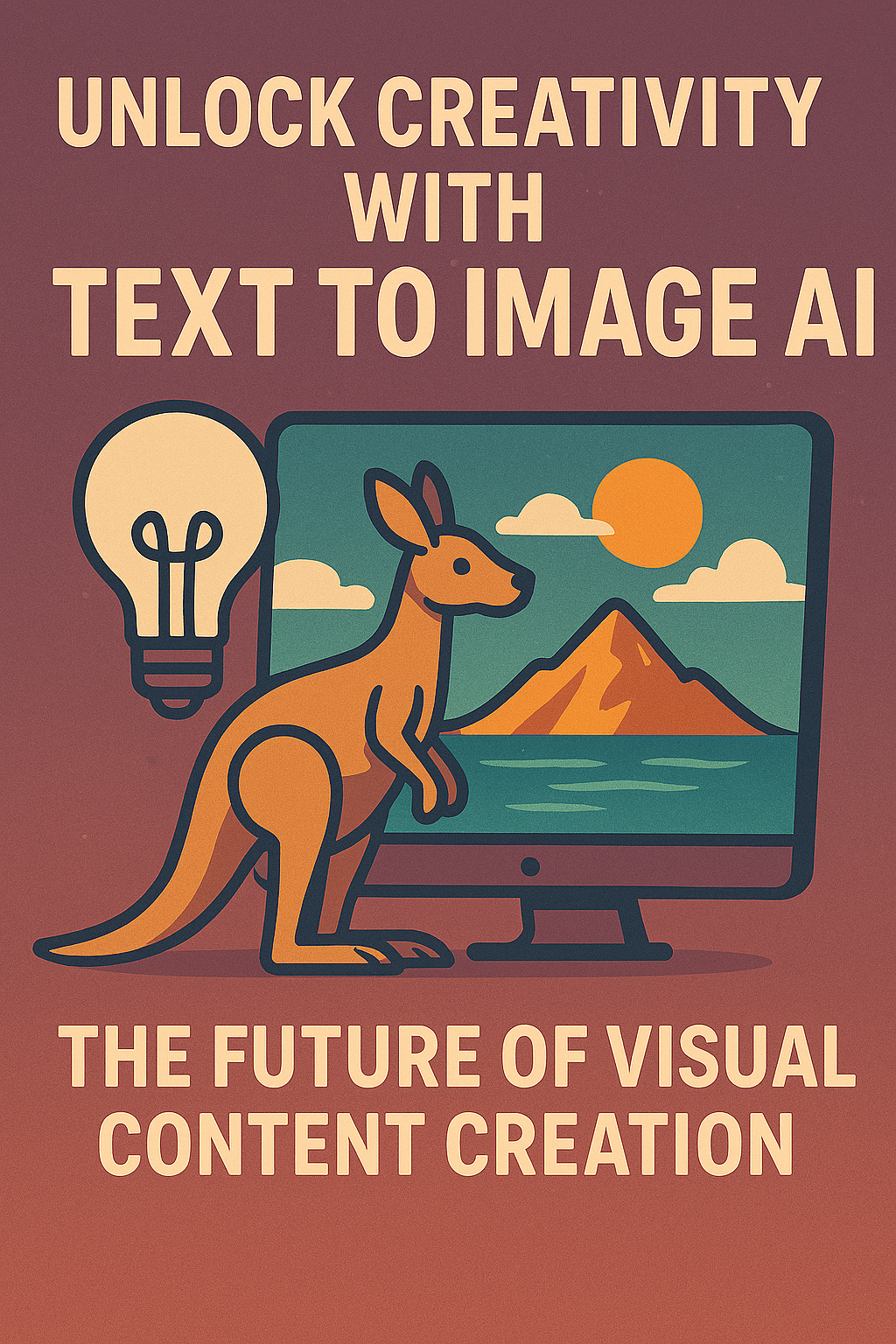
Unlock Creativity with Text to Image AI: The Future of Visual Content Creation
In the rapidly evolving world of artificial intelligence, one of the most exciting advancements is the development of Text to Image AI technology. This innovative tool allows users to generate detailed, high-quality images simply by describing what they want in words. Whether you're a digital artist, marketer, or content creator, understanding how text to image AI works and how to leverage it can open new horizons for your creative projects.
What Is Text to Image AI?
Text to image AI refers to machine learning models that convert natural language descriptions into visual representations. These models are trained on vast datasets of images and text, enabling them to understand and interpret textual prompts and generate corresponding images.
Imagine typing, "A futuristic city skyline at sunset," and instantly receiving a stunning, AI-generated image matching that description. This process simplifies visual content creation, making it accessible to those without advanced graphic design skills.
How Does Text to Image AI Work?
The core technology behind text to image AI involves complex neural networks, especially Generative Adversarial Networks (GANs) and diffusion models. Here's a simplified overview:
- Text Processing: The AI first interprets the input text, understanding the key elements and context.
- Image Generation: Using learned patterns from training data, the AI creates an image that aligns with the description.
- Refinement: Many models iteratively improve the image quality, enhancing details and coherence.
Recent advancements like DeepAI's DALL·E 2 and Midjourney have dramatically improved the realism and creativity of generated images, pushing the boundaries of what's possible with AI.
Applications of Text to Image AI
The versatility of text to image AI makes it useful across various industries:
1. Digital Art and Creativity
Artists can experiment with ideas rapidly, creating concept art, storyboards, or inspiring visuals without extensive manual effort.
2. Marketing and Advertising
Marketers can generate unique images for campaigns, social media posts, and product visuals tailored to specific themes or messages.
3. Content Creation
Bloggers and content creators can enhance articles with relevant, eye-catching images generated on demand.
4. Game Design and Virtual Environments
Developers use these tools to create environments, characters, and assets efficiently.
5. Education and Research
Educators can produce visual aids customized to lesson content, making learning more engaging.
Top Tools for Text to Image Generation
Several AI-powered platforms are leading the way in text to image technology:
- DeepAI's DALL·E 2: Known for high-quality, diverse image outputs.
- Midjourney: Popular for artistic and surreal visuals.
- Stable Diffusion: An open-source model allowing greater customization.
- Craiyon (formerly DALL·E Mini): Accessible for quick, casual image generation.
Each platform offers different features, styles, and levels of customization, catering to various user needs.
Benefits of Using Text to Image AI
- Speed: Generate images in seconds, saving hours of manual work.
- Cost-Effective: Reduce expenses associated with traditional graphic design.
- Accessibility: Empower non-designers to create professional visuals.
- Creativity: Explore new ideas and concepts effortlessly.
- Customization: Tailor images precisely to your needs with detailed prompts.
Challenges and Considerations
While promising, there are challenges:
- Quality Variability: Not all generated images meet professional standards.
- Bias and Ethics: AI models can reflect biases present in training data.
- Legal Concerns: Intellectual property rights of AI-generated images are still evolving.
- Dependence on Prompts: The quality of output heavily relies on prompt clarity and detail.
Tips for Effective Text to Image Creation
- Be Specific: Include detailed descriptions to guide the AI.
- Use Clear Language: Avoid ambiguous terms.
- Experiment: Try different prompts to achieve desired results.
- Combine with Editing: Use graphic editing tools to refine images further.
- Stay Updated: Keep an eye on new tools and updates in AI image generation.
The Future of Text to Image AI
The future holds exciting possibilities:
- Higher Resolution and Realism: Continuous improvements will produce images indistinguishable from real photographs.
- Interactive Generation: Real-time adjustments based on user feedback.
- Integration with Other AI Tools: Seamless workflows combining text, image, and video AI.
- Personalized Content: Tailored images for individual preferences and needs.
Conclusion
Text to image AI is revolutionizing the way we create and consume visual content. Its ability to transform simple descriptions into compelling images empowers creators, marketers, educators, and businesses alike. As technology advances, embracing these tools will be essential for staying competitive and innovative in the digital age.